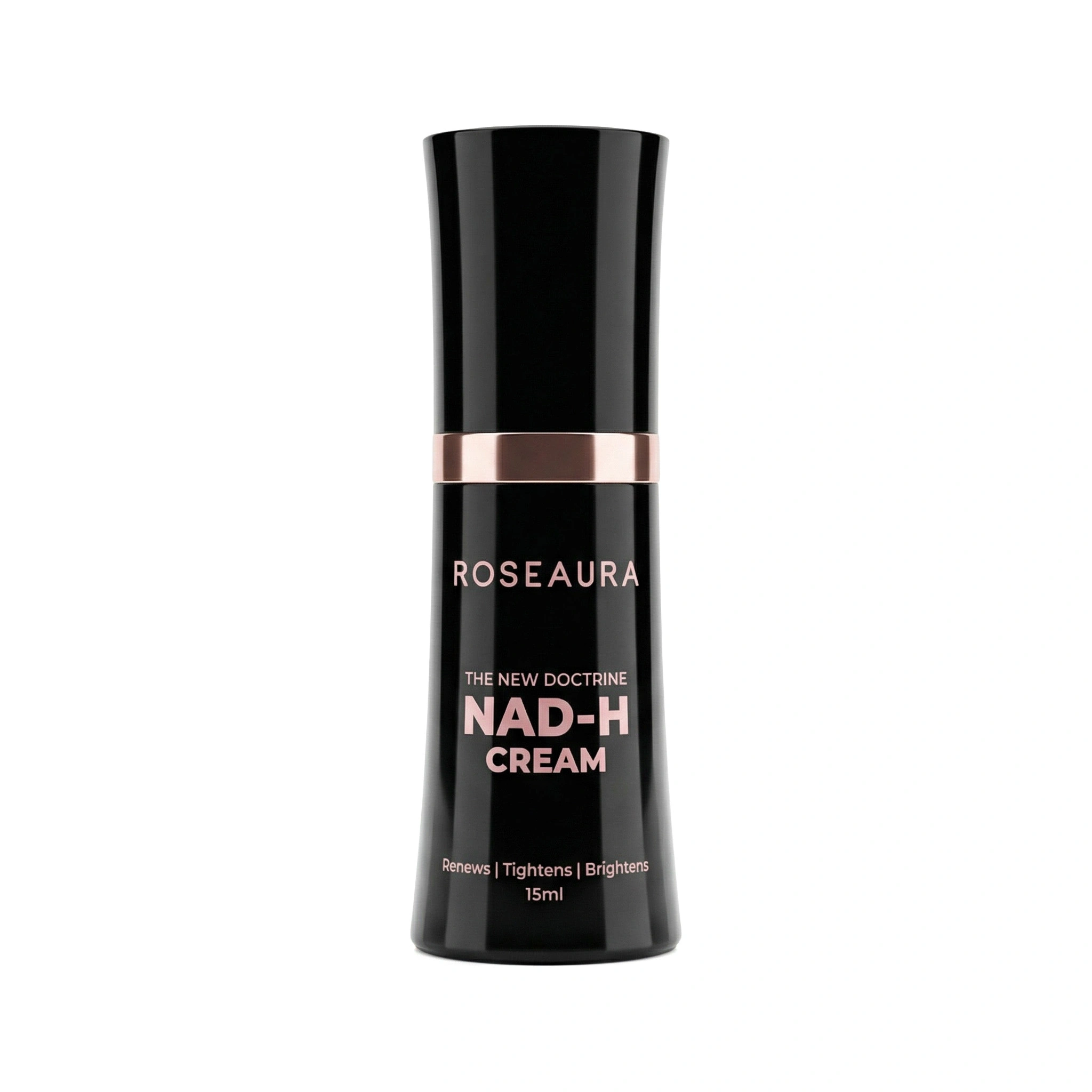

NAD-H

What Is NAD-H? NAD+, NADH, and Their Importance in Skin Care
One of the ingredients gaining attention at the intersection of science and next-generation cosmetics is NAD-H (NADH). The NAD system plays an important role in cellular energy metabolism and is at the center of scientific research on NAD+, NADH, cellular energy, redox balance, and the biology of aging.
So, what is NAD, what is the difference between NAD+ and NADH, and why is NAD-H attracting increasing attention in skin care?
What Is NAD?
NAD, short for Nicotinamide Adenine Dinucleotide, is an important coenzyme found in living cells. It participates in numerous biochemical reactions and plays a central role particularly in energy metabolism and electron transfer processes.
The NAD system primarily cycles between two forms:
NAD+: Oxidized form
NADH: Reduced form
These two forms do not function independently. They are parts of the same biochemical cycle. During metabolic processes in which cells convert nutrients into usable energy, NAD+ and NADH continuously convert into one another.
NAD metabolism is also closely related to the vitamin B3 family. The body can use vitamin B3 derivatives such as niacin and nicotinamide in the synthesis of NAD.
What Is NAD+?
NAD+ is the oxidized form of Nicotinamide Adenine Dinucleotide.
During cellular metabolism, it can accept electrons and be converted into NADH. For this reason, NAD+ is an important component of the redox reactions involved in energy metabolism.
NAD+ is not associated solely with energy production. It is also involved in processes related to cellular stress responses, DNA damage response mechanisms, and certain enzymatic pathways.
However, an important distinction should be made: NAD+ does not directly repair DNA. Instead, it is an important metabolic molecule used by certain enzymes involved in cellular responses to DNA damage.
For this reason, NAD+ is currently being extensively studied in research related to cellular aging, energy metabolism, and longevity biology.
What Is NADH?
NADH is the reduced form of NAD and functions as an important electron carrier in cellular energy metabolism.
During metabolic reactions, NAD+ can accept electrons and be converted into NADH. NADH then contributes to transferring these electrons into energy-producing processes within the mitochondria.
Simply put:
NADH is not the direct “energy” of cellular energy production. Rather, it is an important coenzyme that helps energy metabolism take place efficiently.
For this reason, NADH has attracted attention in the cosmetics industry, particularly in the fields of cellular energy-focused skin care, antioxidant care, and anti-aging cosmetic research.
Are NAD-H and NADH the Same Thing?
In the cosmetics industry, the term NAD-H is generally associated with NADH, the reduced form of Nicotinamide Adenine Dinucleotide.
In scientific terminology, the standard spelling is typically NADH.
When evaluating a cosmetic product, however, it is important to look beyond the “NAD-H” wording displayed on the front of the product and also examine the INCI ingredient list and the specific form of the raw material used in the formulation.
What Is the Difference Between NAD+ and NADH?
The main difference lies in their redox state.
NAD+ is the oxidized form that can accept electrons.
NADH is the reduced form that carries electrons.
The conversion between these two forms is important for maintaining cellular energy metabolism.
Therefore, although NAD+, NADH, and NAD-H are often searched together online, they are not exactly the same concept. They represent different states within the same biochemical NAD system.
Do NAD Levels Decline With Age?
The relationship between NAD metabolism and aging is an important area of scientific research.
Various studies suggest that NAD+ levels and NAD metabolism may change in certain tissues as we age.
However, it would not be scientifically accurate to attribute aging solely to NAD levels.
Aging is a complex biological process influenced by many interacting factors, including genetics, oxidative stress, environmental exposure, mitochondrial changes, cellular stress, and numerous biological mechanisms.
Therefore, definitive claims such as “NAD stops aging” or “NAD rejuvenates cells” do not accurately reflect the current scientific understanding.
What Is the Role of NAD-H in Skin Care?
The skin is a metabolically active organ that is continuously exposed to UV radiation, environmental stressors, and oxidative processes.
Because the NAD system is closely associated with cellular energy metabolism and redox balance, NAD-H has become an interesting ingredient for science-driven cosmetic formulations.
Advanced skin care products containing NAD-H may be positioned around several key skin care goals:
Antioxidant care support: It may be incorporated into skin care routines designed to support the skin against the visible effects of environmental stressors.
A more radiant and revitalized appearance: It may be used in formulations developed to promote a fresher, more cared-for, and luminous appearance in tired or dull-looking skin.
Anti-aging skin care: NAD-H may be considered an innovative active ingredient in advanced cosmetic routines targeting the visible signs of aging, including fine lines, loss of elasticity, and dullness.
An important point, however, is not to confuse the biological functions of NADH inside cells with the effects of a topically applied cosmetic product containing NADH.
The performance of a cosmetic product depends on several factors, including the form of NADH used, its concentration, stability, delivery system, and the overall formulation.
Skin Care Products Containing NAD-H
NAD-H can be incorporated into next-generation serums, creams, and eye care products that place scientifically driven active ingredients at the center of their formulations.
Roseaura’s NAD-H-focused skin care approach also incorporates this active ingredient across different product formats.
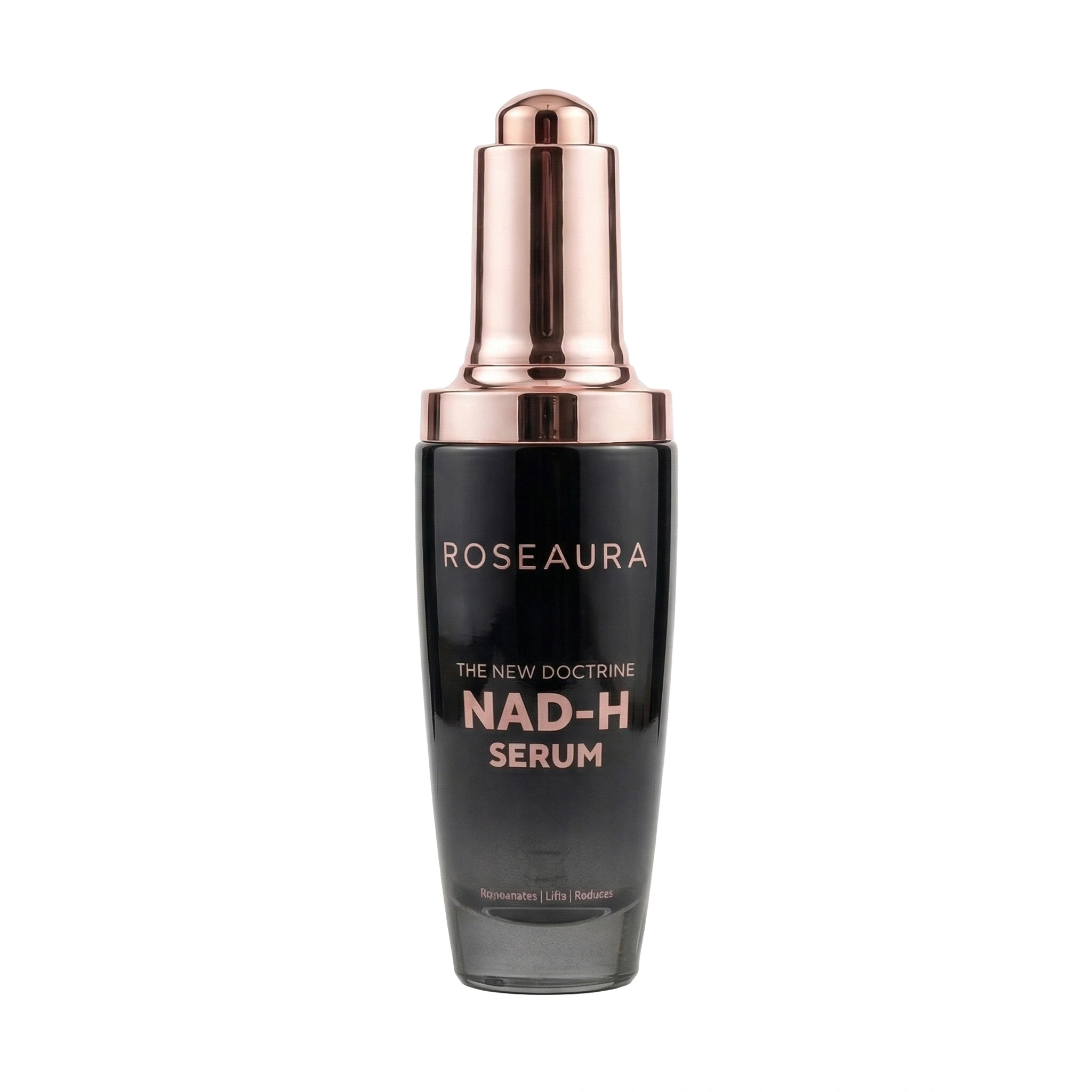
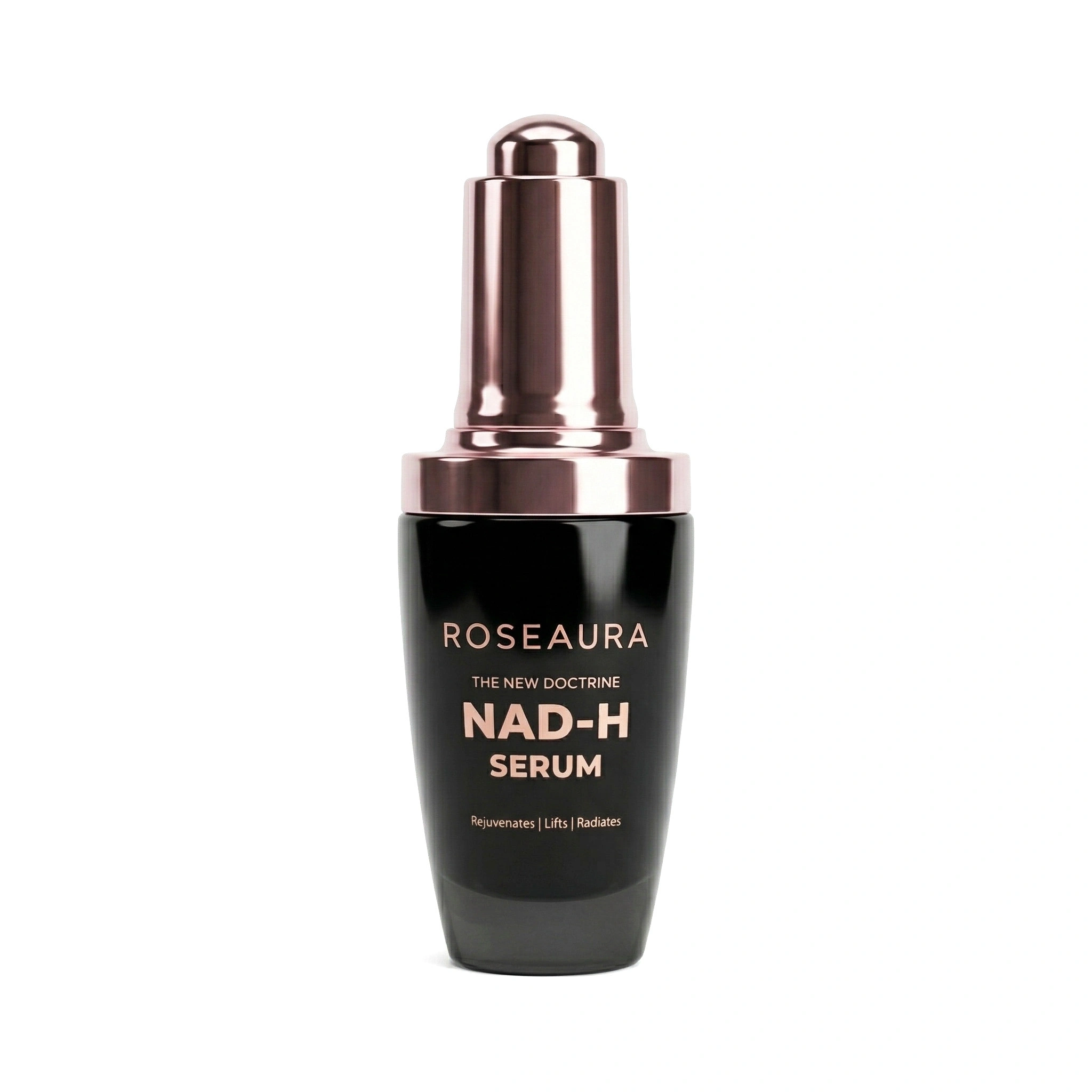
NAD-H SkinCharge Serum combines its NAD-H-focused formula with Squalene, offering advanced skin care designed to support a more revitalized, smooth, and well-cared-for appearance.
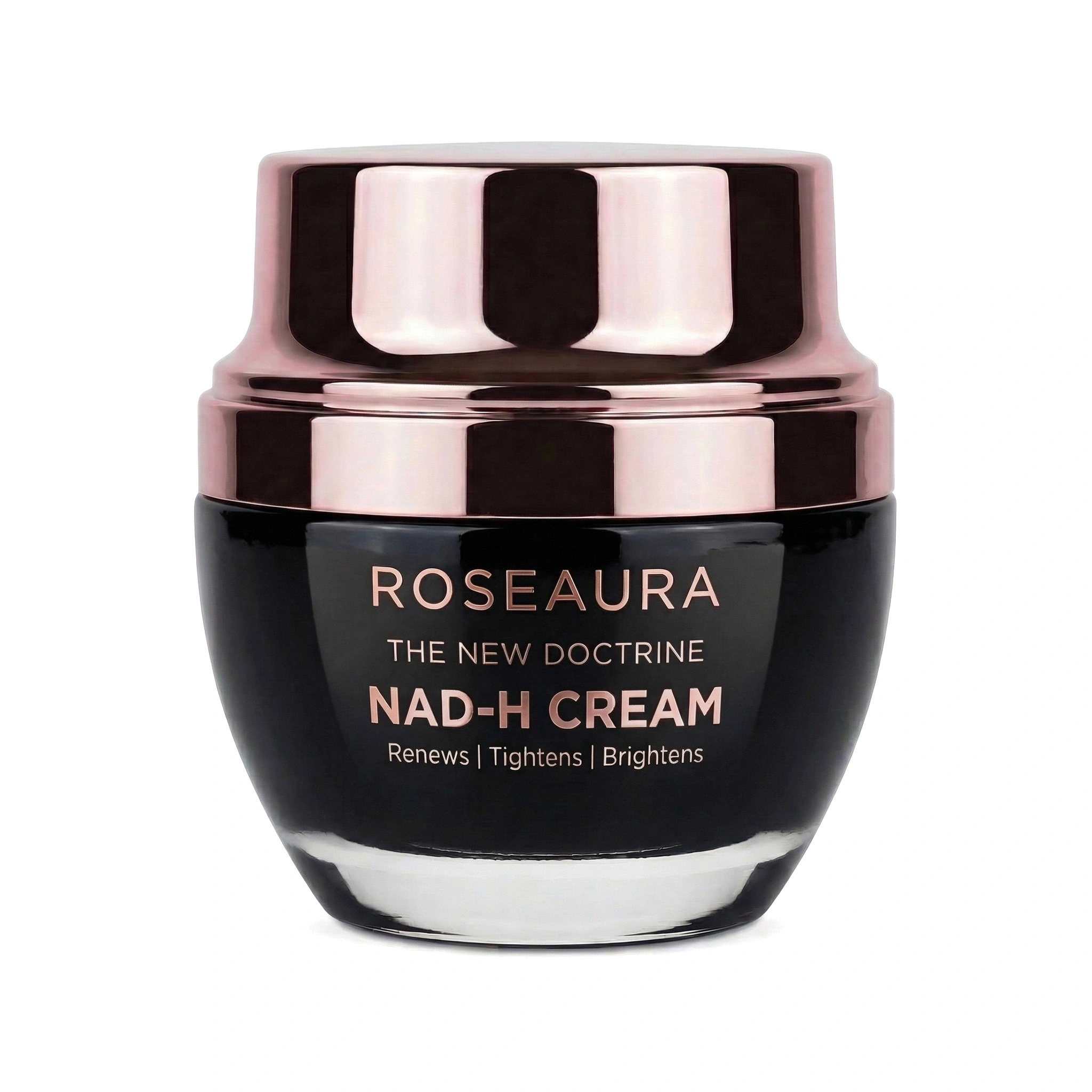
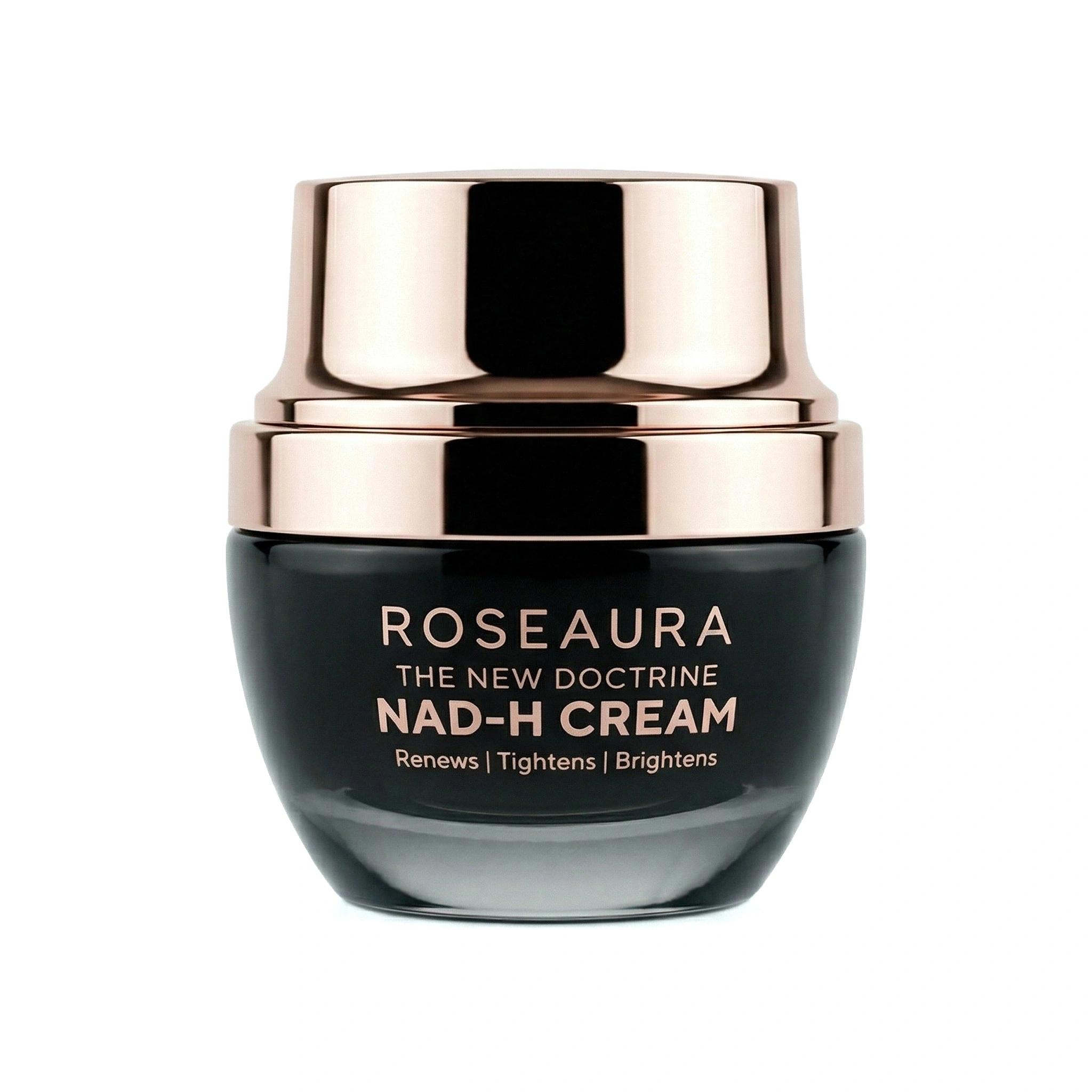
NAD-H SkinCharge Cream, formulated with Disodium NADH and Vitamin E, complements daily antioxidant-focused skin care routines.
Specially developed for the delicate eye area, NAD-H Eye Cream combines NAD-H with Vitamin E to provide targeted care for the appearance of tiredness, fine lines, and a more refreshed-looking eye contour.
Frequently Asked Questions About NAD-H
What does NADH do for the skin?
NADH is an important coenzyme involved in cellular energy metabolism. In cosmetic products, it may be used in formulations focused on antioxidant care, skin vitality, and the visible signs of aging.
Are NAD+ and NADH the same?
No. NAD+ is the oxidized form, while NADH is the reduced form. They are two different states of the same NAD system and can be converted into one another.
Does NAD-H stop aging?
No. No cosmetic active ingredient can stop the aging process. NAD metabolism is an important area of research in the biology of aging, while cosmetic products containing NAD-H may be incorporated into skin care approaches designed to address the visible signs of aging.
What does an NAD-H serum do?
Depending on its formulation, an NAD-H serum may be used to support a more revitalized, smooth, well-cared-for, and radiant-looking complexion.