
Oleuropein
What Is Oleuropein? Powerful Antioxidant Skincare from Olive Leaves
The olive tree (Olea europaea),one of the most iconic symbols of the Mediterranean region for thousands of years, is valued not only for its fruit and oil but also for the precious phenolic compounds found in its leaves. One of the most notable of these compounds is oleuropein.
Particularly associated with olive leaf extract, antioxidant skincare, and care targeting visible signs of aging, oleuropein is gaining increasing attention in next-generation cosmetic formulations inspired by nature.
So, what is oleuropein, what does it do for the skin, and why is olive leaf extract so valuable in the cosmetic world?
What Is Oleuropein?
Oleuropein is a naturally occurring phenolic secoiridoid glycoside found in the olive tree. It is particularly abundant in olive leaves and green, unripe olives and is one of the main compounds associated with the characteristic bitter taste of olives.
Oleuropein levels may vary depending on the olive variety, growing conditions, and stage of ripeness. Research suggests that in many olive varieties, oleuropein levels may decrease significantly as the fruit ripens. Olive leaves, on the other hand, are considered one of the most notable natural sources of oleuropein.
For this reason, Olea Europaea Leaf Extract, commonly known as olive leaf extract, is regarded as a valuable botanical cosmetic ingredient associated with oleuropein and a range of other phenolic compounds.
Why Is Oleuropein Known as a Powerful Antioxidant?
Our skin is exposed every day to external factors such as UV radiation, air pollution, and environmental stressors. These factors can contribute to oxidative stress in the skin.
One of the most extensively studied properties of oleuropein is its antioxidant potential. Because of its phenolic structure, it has been widely investigated in research related to oxidative processes.
However, an important distinction should be made.
Claims such as:
“Oleuropein stops aging” or “completely eliminates free radicals”
are not scientifically accurate.
From a cosmetic perspective, a more appropriate way to describe oleuropein is:
A valuable active ingredient that supports antioxidant skincare routines designed to help protect the skin from the visible effects of environmental stressors.
What Are the Benefits of Oleuropein for the Skin?
1. Supports Antioxidant Skincare
The antioxidant properties associated with oleuropein make it an interesting ingredient in skincare products designed to address concerns such as dullness, environmental stress, and the appearance of premature aging.
An antioxidant-focused skincare routine may help support a more radiant, well-cared-for, and healthy-looking complexion.
2. Draws Attention in Skincare for Visible Signs of Aging
UV radiation is one of the major environmental factors associated with premature skin aging.
Experimental studies on oleuropein have investigated mechanisms related to UVB-induced skin damage.
Studies conducted in animal models have suggested that oleuropein and olive leaf extract may demonstrate protective potential against certain UVB-related skin changes. However, these findings do not necessarily mean that a cosmetic product will produce the same effects in human skin.
For this reason, oleuropein may be considered part of an anti-aging skincare approach designed to support the appearance of firmer, smoother, and more youthful-looking skin.
3. May Support the Skin Against Environmental Stressors
The phenolic and antioxidant characteristics of oleuropein make it particularly interesting for formulations developed for skin exposed to urban pollution, UV exposure, and environmental stress.
From a cosmetic perspective, the goal is not to “treat” the skin but rather to create a skincare routine that helps maintain its appearance and supports a more balanced, vibrant, and healthy-looking complexion.
4. May Contribute to a More Comfortable and Balanced Skin Appearance
The effects of oleuropein and olive leaf compounds on biological pathways associated with inflammation have been investigated in scientific research.
However, these mechanisms should not be interpreted as meaning that oleuropein directly “treats skin inflammation.”
From a cosmetic standpoint, formulations containing oleuropein may be incorporated into skincare routines designed to support a more comfortable and balanced appearance, particularly for skin that appears stressed, sensitive, or affected by environmental factors.
Oleuropein and UV-Induced Skin Stress
One of the most interesting research areas involving oleuropein in skincare is its relationship with UV-induced oxidative stress.
A small-scale human study involving a formulation containing oleuropein reported positive findings in certain parameters following UVB exposure, including redness and transepidermal water loss (TEWL).
However, the study was preliminary, and these findings do not mean that oleuropein can replace sunscreen.
Oleuropein is not a sunscreen and should never be used as a substitute for SPF.
Daily use of a broad-spectrum sunscreen remains one of the fundamental steps in skincare aimed at protecting against photoaging.
Are Oleuropein and Olive Leaf Extract the Same Thing?
Not exactly.
Oleuropein is a specific molecule.
Olive leaf extract (Olea Europaea Leaf Extract) is a more complex botanical extract that may contain oleuropein along with various other phenolic and plant-derived compounds.
Therefore, the fact that a cosmetic product contains “olive leaf extract” does not automatically mean that it contains a specific amount of pure oleuropein.
The composition and standardization of the extract may vary depending on the raw material, manufacturing process, and extraction method used.
Which Skin Types Are Suitable for Oleuropein?
The suitability of cosmetic products containing oleuropein depends not only on a single active ingredient but on the entire formulation.
Oleuropein and olive leaf extract-based skincare may be particularly interesting for:
Dull and tired-looking skin
Skin exposed to environmental stressors
Those looking for skincare targeting visible signs of aging
Those seeking a more balanced and radiant complexion
For oily and combination skin, balanced formulations combining oleuropein with ingredients such as Niacinamide may be particularly noteworthy.
Oleuropein Skincare
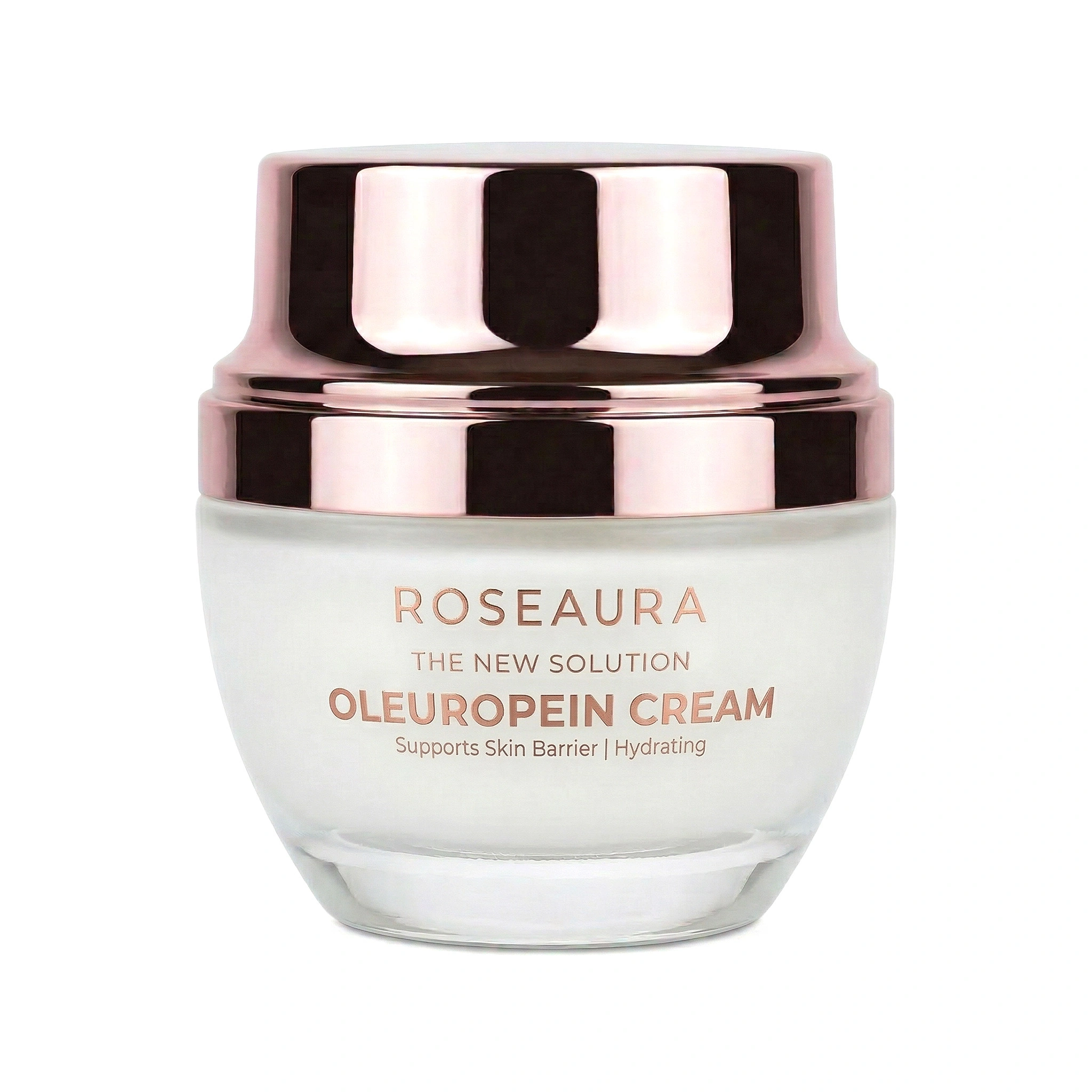
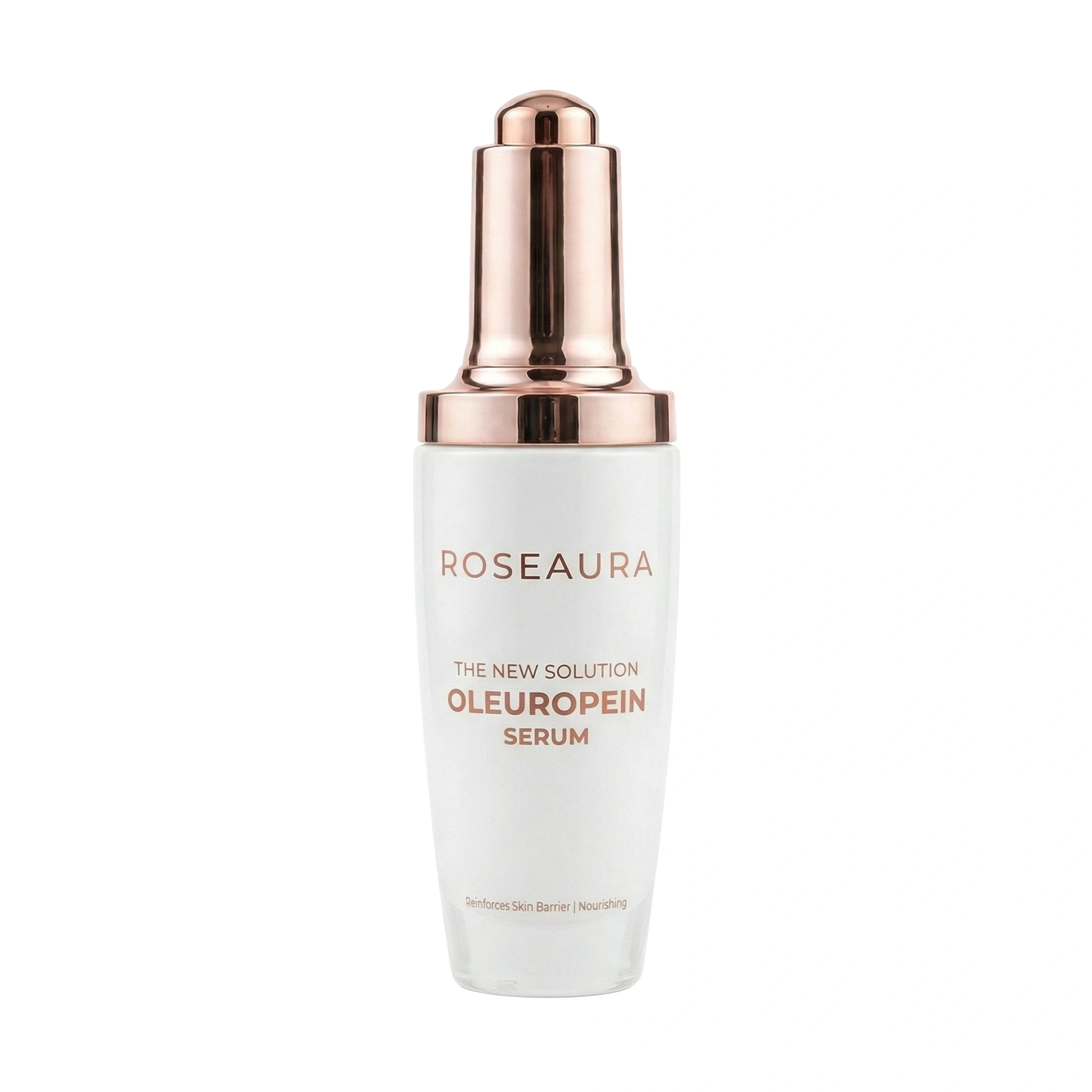
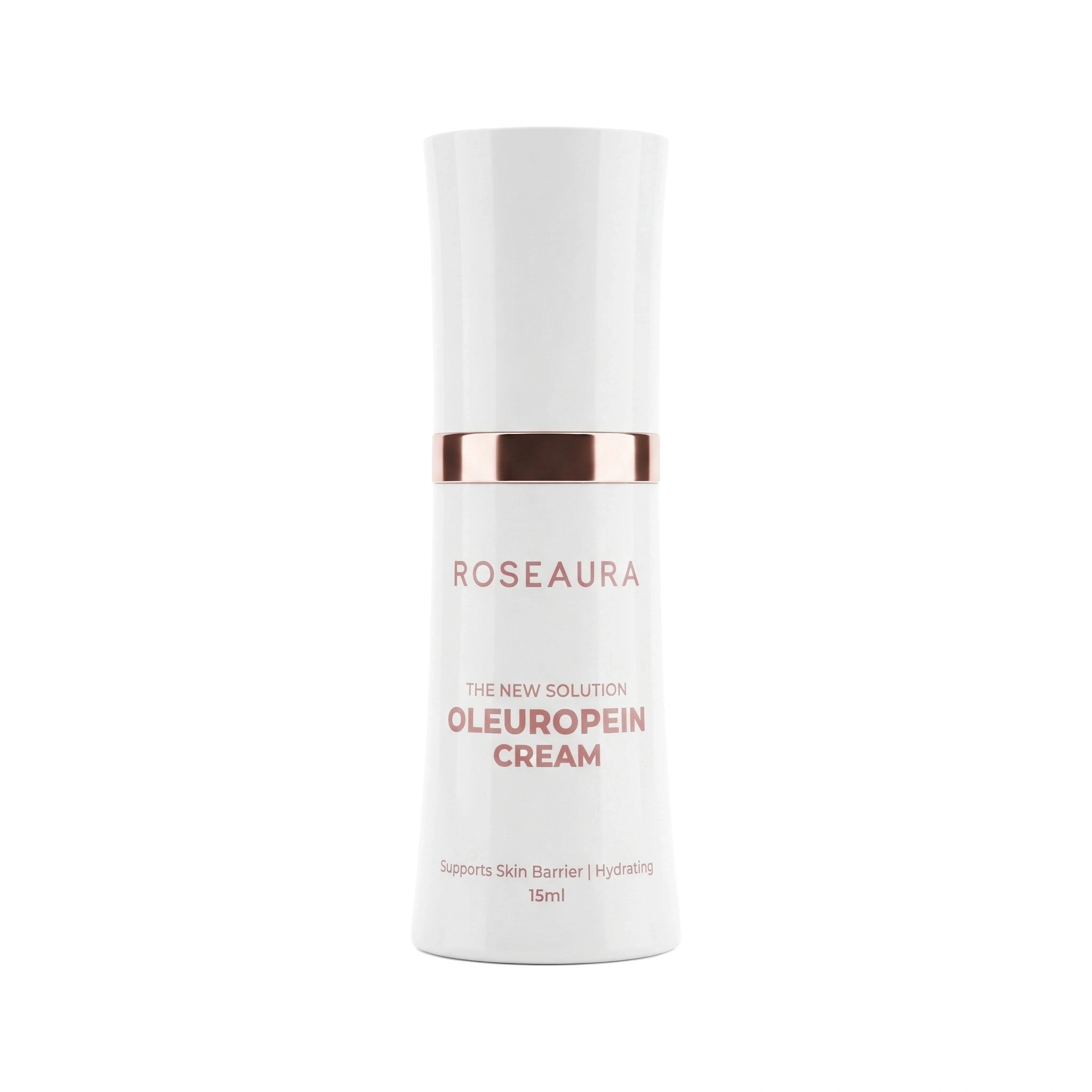
Roseaura’s oleuropein-focused skincare approach brings together this valuable olive-derived compound with modern cosmetic active ingredients.
Serums and creams containing oleuropein can be incorporated into daily skincare routines designed to provide antioxidant-focused care while supporting a more balanced, smooth, and vibrant-looking complexion.
Combinations such as Oleuropein + Niacinamide + Camellia Sinensis (Green Tea) Extract can create versatile formulations designed to support multiple skincare goals, including:
Oil balance
The appearance of pores
Antioxidant skincare
A healthier and more radiant-looking complexion
Frequently Asked Questions About Oleuropein
What does oleuropein do for the skin?
Oleuropein is an olive-derived phenolic compound that has attracted attention particularly for its antioxidant properties and its potential role in skincare targeting visible signs of aging.
It may be used in cosmetic formulations designed to support a more radiant, balanced, and well-cared-for skin appearance.
Is oleuropein good for dark spots?
It would not be scientifically accurate to describe oleuropein directly as a “dark spot remover.”
However, it may be included as part of an antioxidant-focused skincare routine.
When targeting the appearance of uneven skin tone or dark spots, formulations containing ingredients such as Niacinamide, Vitamin C derivatives, or other suitable active ingredients may provide a more comprehensive skincare approach.
Is oleuropein anti-aging?
Oleuropein has attracted interest in anti-aging skincare because of scientific research investigating its relationship with oxidative stress and UV-related skin mechanisms.
However, it should not be described as an ingredient that “stops aging” or “eliminates wrinkles.”
Instead, it may be considered a valuable component of skincare formulations designed to support a smoother, healthier, and more youthful-looking complexion.
Where does oleuropein come from?
Oleuropein naturally occurs primarily in olive leaves and green olives.
Its concentration may vary depending on the olive variety, growth stage, environmental conditions, and extraction method used.